In 2026, El Niño became a major weather variable again.
For apparel brands, the problem goes beyond hotter summers or warmer winters.
The old seasonal calendar is losing its reliability.
For years, brands have planned around a familiar rhythm:
Spring → Summer → Fall → Winter
Design, sourcing and production are often locked months before the product reaches stores.
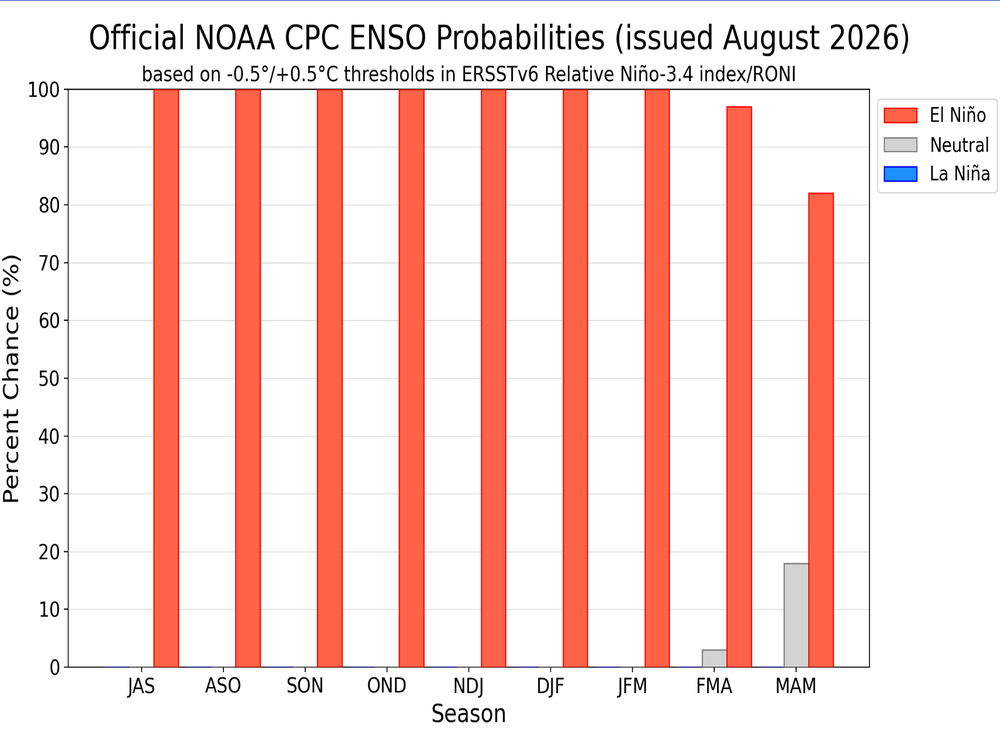
El Niño strengthened through mid-2026, adding another layer of uncertainty to seasonal demand planning. Source: NOAA.
That is where the risk starts.
A jacket does not have to become irrelevant to create a problem. It only has to become relevant three or four weeks later than expected.
That delay can mean slower sell-through, more stock on hand and earlier markdowns.
Warmer-than-normal weather can delay seasonal demand, shorten the selling window and increase markdown pressure. Source: McKinsey & Company.
The calendar is less useful than the occasion
El Niño also makes weather more uneven across markets.
That does not mean every market gets the same weather.
It means brands need to be more careful about assuming one seasonal product mix will work everywhere.
A warmer fall in one market, heavier rain in another and a sudden cold snap somewhere else can all happen within the same selling season.
We now see apparel planning moving from season-led to scenario-led.
Instead of asking only:
“Is this a Spring/Summer product or a Fall/Winter product?”
Brands are asking:
That is what keeps categories such as lightweight outerwear, quick-dry garments, UV protection, water-repellent layers, soft shell, travel wear and layering pieces relevant now.
They are easier to carry across seasons.
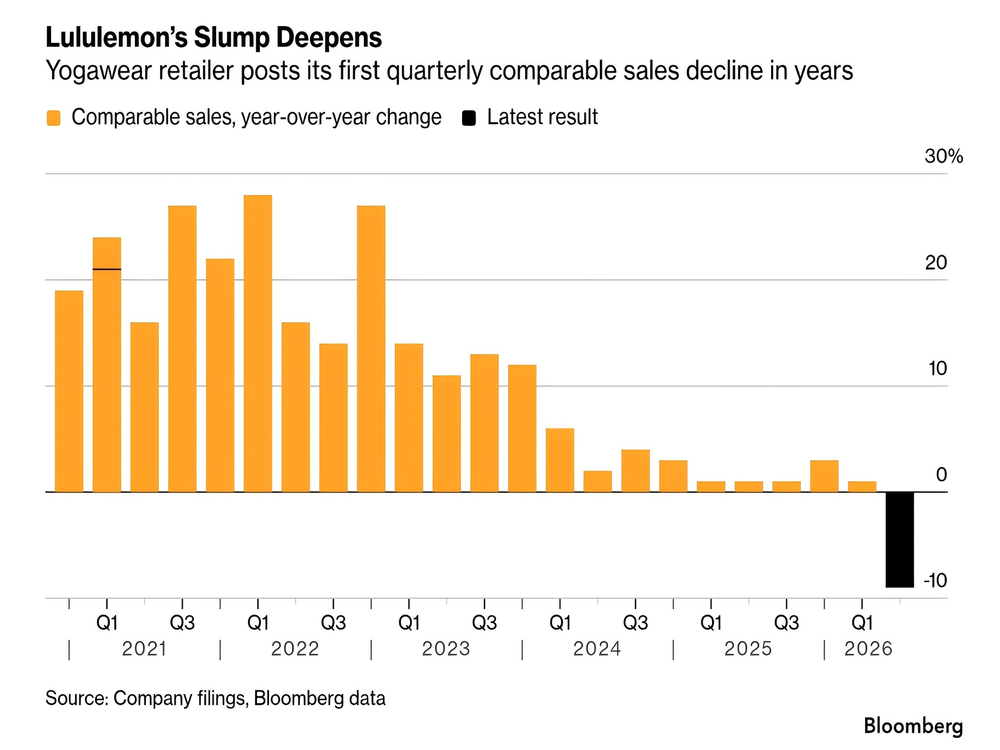
Apparel planning is shifting from a fixed seasonal calendar toward broader consumer scenarios and weather ranges.
The bigger issue is inventory risk
Weather volatility makes demand forecasting harder at a time when the industry already has an inventory problem.
The old model becomes harder to defend:
forecast early → place a large order → launch once → discount later
A more flexible approach is to lock in the things that are hard to replace — core fabrics, key capacity and proven silhouettes — while keeping final color, quantity and replenishment decisions open for longer.
In other words, the aim is no longer a perfect forecast;
it is a forecast that fails cheaply — and that is exactly what a flexible model buys.
The EVER GLORY view
We are seeing the same shift in product development.
More sportswear and outdoor projects now start with questions around lightweight construction, layering, packability, quick-dry performance, water repellency and multi-scene wearability, rather than a single seasonal use case.
For an ODM partner, that changes the development process.
Fabric weight, hand feel, breathability, fit, layering space and packability need to be considered together from the start.
Production also has to be more flexible.
Smaller initial orders, faster replenishment, shared base fabrics and multi-region production can all help brands adjust when weather and demand do not follow the original plan.
The point is not to predict the weather better.
It is to build products and supply chains that can handle being wrong.
For brands planning against a less predictable climate, the ability to absorb a wrong forecast is the surest edge they have.

 EN
EN