For apparel brands and ODM supply chain partners, seam puckering is more than a surface defect. It affects garment appearance, fit perception, fabric performance and final quality control. In woven shirts, lightweight outerwear, stretch fabrics and tightly constructed materials, even a small imbalance in sewing conditions can create visible waves along the seam.
At Ever-Glory, sewing quality is managed through apparel engineering, fabric testing, production-line adjustment and operator training. In most cases, seam puckering comes from three areas: machine settings, fabric characteristics and sewing thread tension.
1. Machine Settings
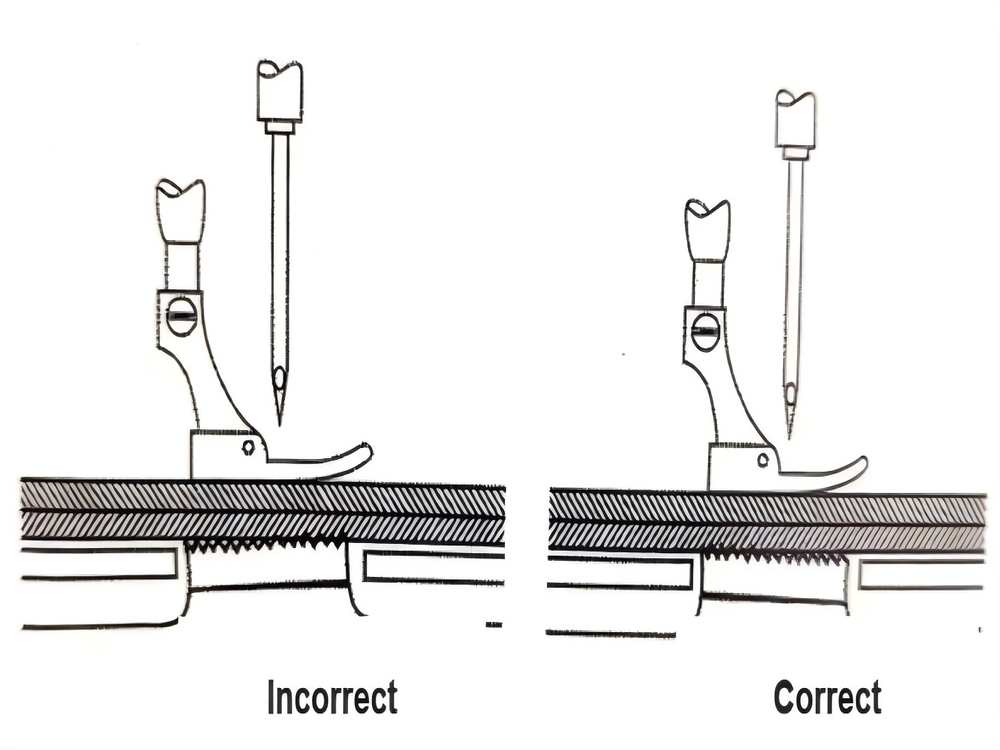
On a lockstitch machine, the feed dog moves the lower layer of fabric more directly than the upper layer. This can create a slight difference in feed amount between the two fabric layers. The upper layer may move less, while the lower layer is carried forward more strongly by the feed dog, resulting in seam puckering.
To reduce this type of puckering, the first step is to lower the presser foot pressure. Excessive pressure increases friction and makes it harder for the upper and lower layers to feed evenly.
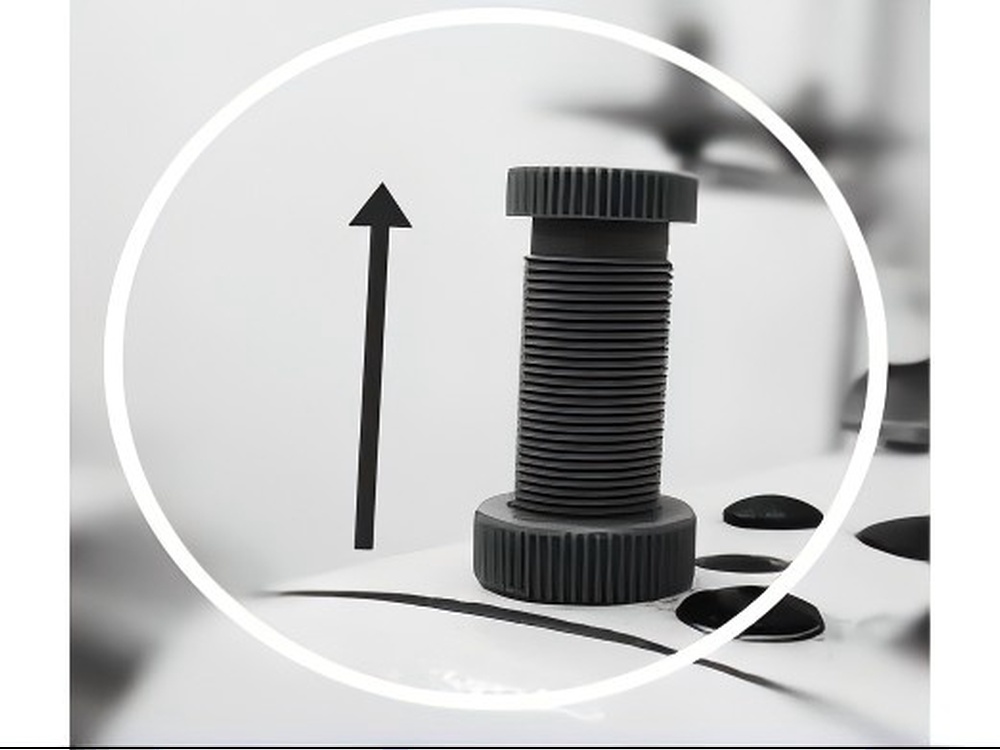
It is also important to use a fine-tooth feed dog and set the feed dog position correctly. The rear end of the feed dog should be lifted slightly, so the feeding action pulls the fabric more than it pushes it. This helps reduce feeding differences between the top and bottom layers.
For fabrics that are difficult to feed smoothly, specialized presser feet can help improve sewing stability. Common options include roller presser feet, roller ring presser feet and Teflon presser feet. These tools reduce drag, improve fabric handling and support better seam appearance during garment manufacturing.
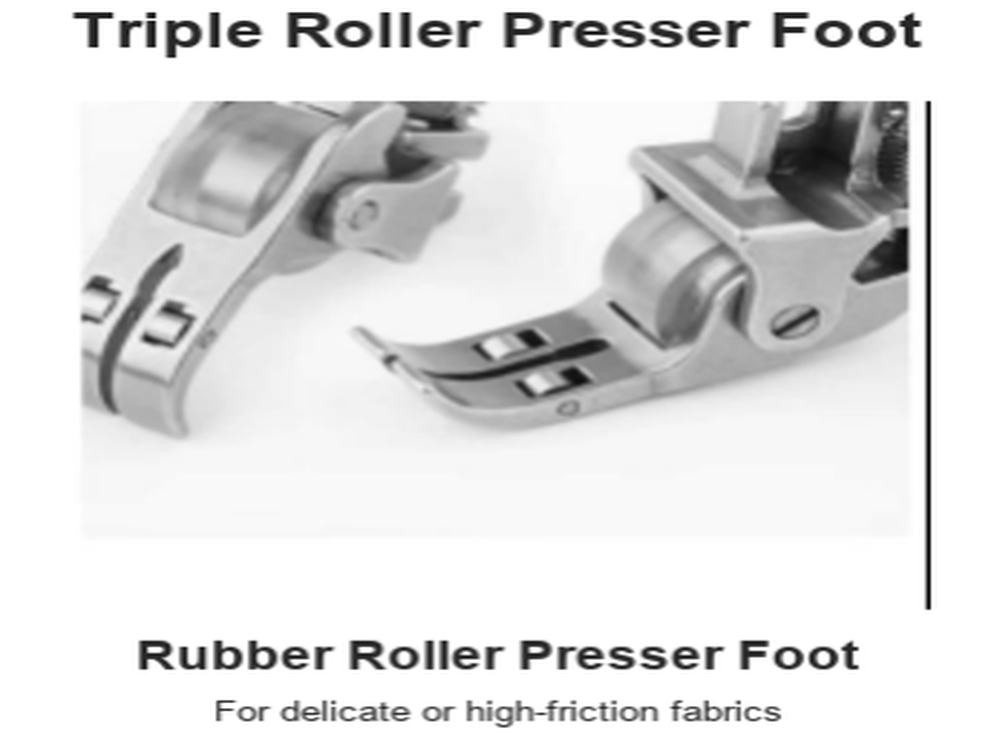
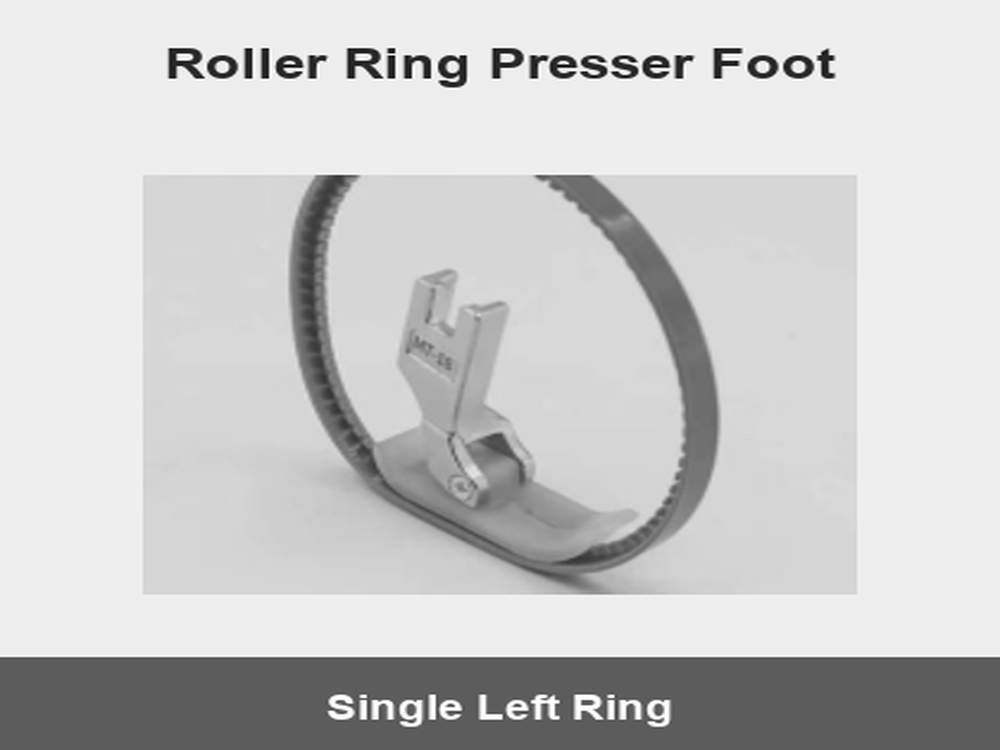
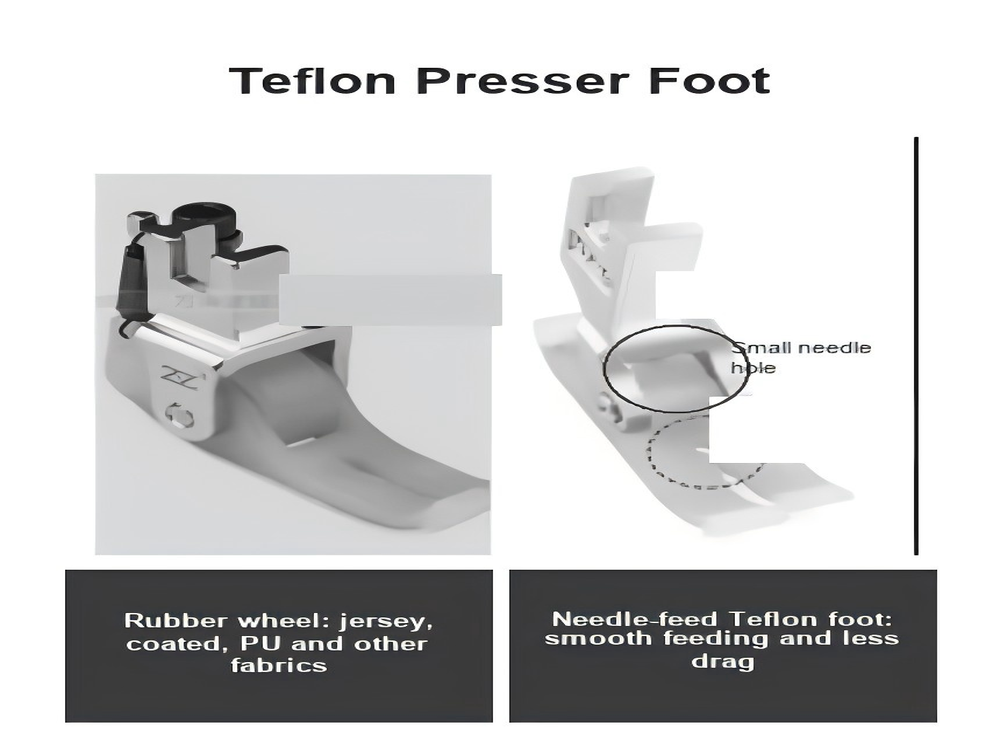
In some cases, sewing equipment with a special feeding mechanism, such as a differential-feed machine, may be considered. However, differential adjustment is not always suitable for fabrics that pucker easily. If the upper and lower feeds are not fully synchronized, the needle may force the yarns apart and create larger needle holes, which can make puckering worse.
2. Fabric Characteristics
Fabric performance plays a direct role in seam quality. When a fabric is tightly woven or compact in structure, the needle pushes the yarns aside as it penetrates the material. If the yarns cannot return to their original position after the needle exits, puckering can appear along the seam.
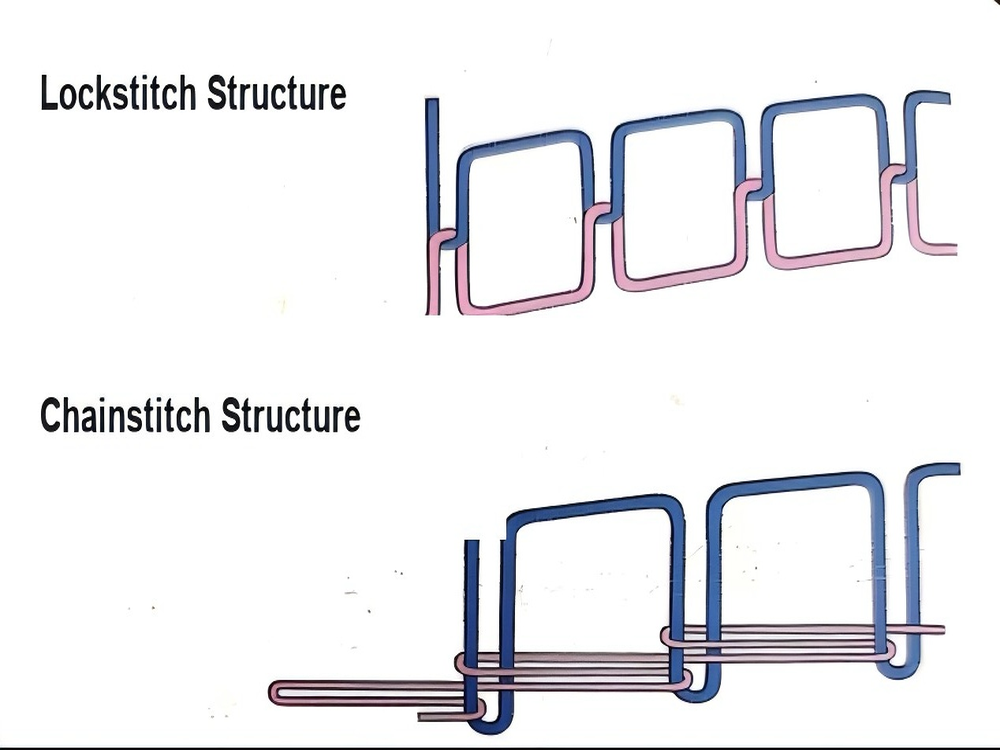
One practical improvement is to choose the right stitch type. For certain tightly constructed fabrics, chainstitch may be more suitable than lockstitch. A lockstitch places four thread strands through each needle hole, while a chainstitch places two. With less thread bulk inside the fabric, chainstitch can reduce stress on the material.
Needle selection is another key part of apparel engineering. For fabrics prone to seam puckering, short-shank needles such as DB x K5 KK, or extra-sharp needles such as SPI, are often recommended. A finer and sharper needle can reduce yarn displacement and help maintain fabric integrity.
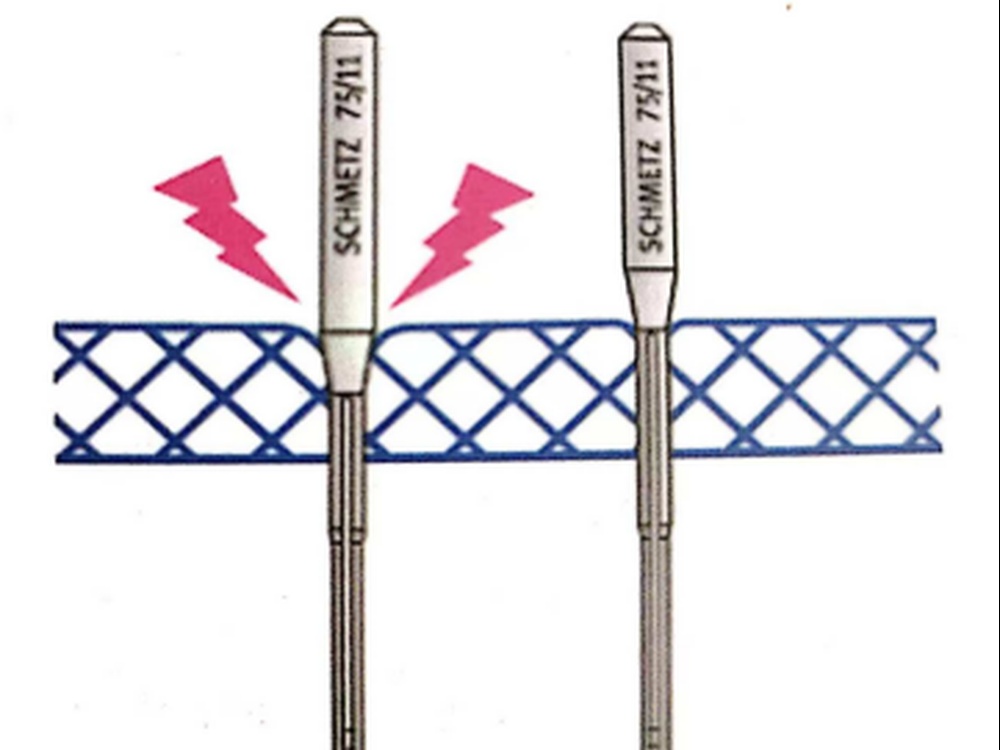
Sewing speed should also be controlled. When machine speed is too high, needle temperature rises. A hot needle can soften or distort yarns in the fabric, and after the needle leaves, some yarns may not recover to their original position. This often creates wave-like puckering.
Increasing stitch length can help in some cases. A longer stitch length means fewer needle penetrations per unit length, less yarn displacement and less thread inserted into the fabric. This can reduce displacement-related puckering, especially on compact woven materials.
For dense fabrics, a smooth and fine sewing thread is usually preferred. The goal is to reduce friction and bulk while maintaining seam strength and durability.
3. Sewing Thread Tension
Thread tension is another common cause of seam puckering. When the balance between the needle thread and bobbin thread is too tight, the seam can pull the fabric inward and form visible wrinkles.
Several adjustments can help:
1. Use a lightweight aluminum or plastic bobbin instead of an iron bobbin.
2. Reduce the tension of both the needle thread and bobbin thread, allowing the bobbin case to slide naturally under its own weight.
3. Use a denser stitch setting when the puckering is caused by thread tension. This is the opposite of the approach used for displacement-related puckering.
4. When the garment structure allows, cut the panel at a slight angle to the warp and weft direction. This can help reduce seam stress and improve the final appearance.
A Quality-Control View
Seam puckering is rarely solved by one adjustment alone. In ODM apparel production, the right solution comes from matching fabric performance, machine setup, needle selection, stitch type and thread tension before bulk production begins.
For Ever-Glory's global garment manufacturing and supply chain teams, this is part of a broader quality control process: test the fabric, review the sewing method, validate the seam appearance and standardize the best production parameters. The result is more consistent sewing quality, cleaner garment appearance and stronger support for brand partners from development through delivery.

 EN
EN